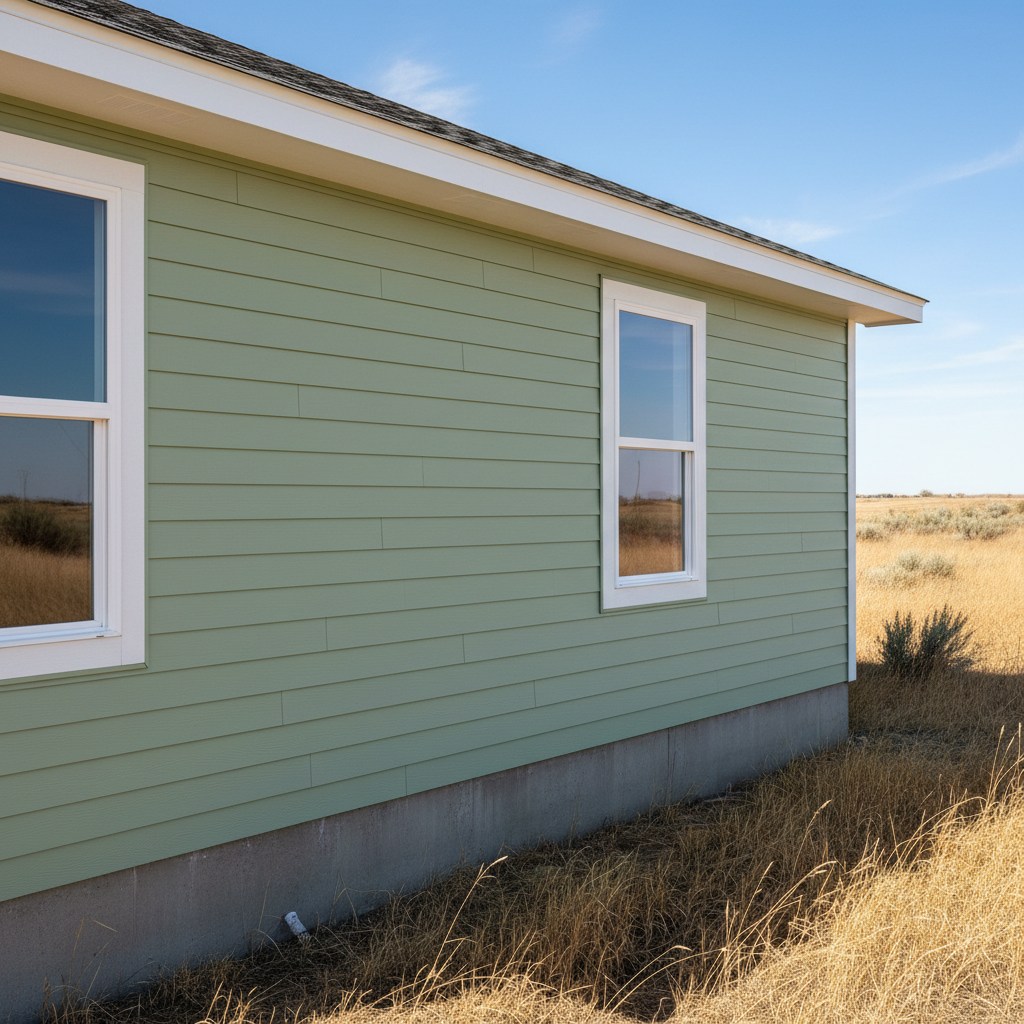
Your New Siding: It's Not Set-It-And-Forget-It
So, you've invested in new siding for your Dodge City home, maybe even from us here at Paradise Siding Company. That's a smart move, really. New siding definitely boosts your curb appeal, keeps your house protected, and can even shave a bit off those energy bills. But here's the thing: it's not some magic force field that never needs a second glance. Just like you change the oil in your truck, your siding needs a little attention to truly go the distance.
You want that investment to last, don't you? It's not just about looking good; it's about protecting what's underneath. We get some wild weather out here – those strong winds that whip across the plains, the sudden hailstorms, and that relentless summer sun. All of it takes a toll, no matter how tough your siding material is.
Regular Maintenance: Your Siding's Best Friend
Keeping your siding in top shape isn't rocket science, but it does ask for a bit of consistency. Think of it as preventative care. Here's what I tell folks:
Clean It Annually: At least once a year, give your siding a good wash. A soft brush and a garden hose with some mild detergent usually do the trick. You can rent a pressure washer, sure, but be careful. Too much pressure, especially with vinyl or fiber cement, can force water behind the panels or even damage the surface. Keep the nozzle moving, and don't get too close. This gets rid of dirt, grime, and any mildew that might be trying to set up shop, especially on the north-facing sides of your house that don't get as much sun.
Trim Those Bushes: Keep any shrubs, trees, or vines trimmed back from your house. They might look nice, but they can scratch siding, trap moisture, and provide a highway for pests. Plus, they block sunlight, which can lead to more mildew growth. Nobody wants that.
Check Your Gutters: This is huge. Clogged gutters mean water overflowing and running down your siding, which can lead to staining, rot (if you have wood trim), and even foundation issues. Make sure they're clear and draining properly, especially before and after our spring storm season.
Inspect Caulking and Sealants: Look around windows, doors, and where different materials meet. If you see cracks, gaps, or crumbling caulk, it's time to re-caulk. This is your first line of defense against water getting in.
Warning Signs: Don't Ignore These
Your siding usually gives you clues when something's not right. Pay attention to these:
Cracks, Chips, or Holes: This is pretty obvious. Even small cracks can let water in, and that's when you start having bigger problems like rot or mold behind the siding. Hail damage is a common culprit here in Ford County, as we all know.
Warping, Buckling, or Gaps: If your siding isn't lying flat against the house, or if you see panels pulling apart, that's a red flag. It could be due to improper installation, expansion/contraction issues, or even moisture getting in.
Fading or Discoloration: While some fading is normal over decades, significant or uneven fading can indicate material breakdown or poor quality. Dark streaks or patches could be mold or mildew, especially if it's not coming off with a simple wash.
Rot or Soft Spots: If you have wood trim or siding, poke around with a screwdriver. If it feels soft or crumbles, you've got rot, and that needs to be addressed quickly before it spreads.
Peeling Paint: If your painted siding or trim is peeling, it often means moisture is getting trapped underneath. Paint is a protective layer, and when it fails, the material beneath is exposed.
Increased Energy Bills: Sometimes, a problem with your siding or the insulation behind it can show up as higher heating or cooling costs. If your home feels drafty or your bills jump without explanation, it's worth checking your exterior.
When to Call a Professional
Look, a lot of the basic maintenance you can do yourself. But there are times when it's just smarter, and safer, to call in someone who knows what they're doing. You should call a pro like us at Paradise Siding Company if:
You spot significant damage after a storm – hail, high winds, whatever. We can assess the extent of it and help you with insurance claims.
You see signs of water damage inside your home, like stains on your walls or ceiling, especially near exterior walls or windows. That means water is definitely getting past your siding.
You're not comfortable working on ladders, or the damage is high up and hard to reach safely.
You're unsure about the cause of a problem or how to fix it properly. Guessing can often make things worse.
You suspect rot or structural damage. These aren't DIY fixes.
Your siding is a big part of your home's defense system. A little regular care goes a long way in making sure it protects your family and looks good doing it. Don't wait until a small issue turns into a big, expensive headache.