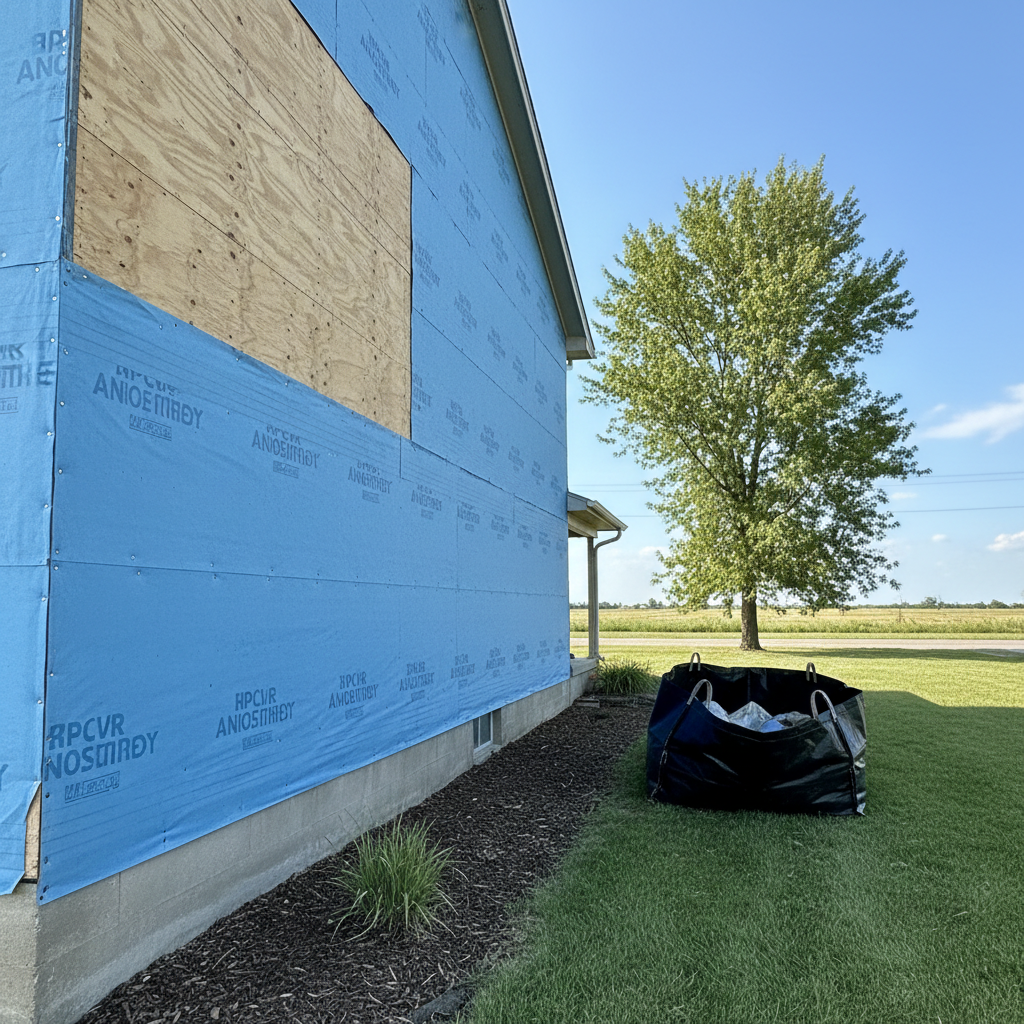
So, you've invested in new siding for your home. Maybe we installed it for you at Paradise Siding Company, or maybe another crew did. Either way, that's a big step in protecting your property and boosting its curb appeal. But here's the thing: once it's up, the job isn't entirely done. You've got to look after it if you want it to last.
Think of your siding like the skin of your house. It's the first line of defense against everything Mother Nature throws at us here in Dodge City – those scorching summers, the brutal winter winds, and those hailstorms that seem to pop up out of nowhere. A little regular care goes a long way in making sure that investment pays off for decades.
Extending the Life of Your Siding Investment
When we talk about extending the life of your siding, we're really talking about protecting the work that went into it. Good installation means it's already got a head start, but what you do after that matters just as much. The biggest thing? Keep it clean. Dirt, dust, pollen, and even mildew can build up, especially on the north side of your house where it stays shadier and holds moisture longer. That gunk isn't just ugly; it can trap moisture against the siding material, leading to issues over time.
Another big one is managing moisture around your home. Make sure your gutters are clean and draining properly, directing water away from your foundation and siding. If water is constantly splashing up from the ground onto your siding, you're asking for trouble. Trim back any bushes or trees that are directly touching the siding. They can scratch it, hold moisture against it, and even become pathways for pests.
What Regular Maintenance Looks Like
You don't need to spend every weekend fussing over your siding, but a few simple checks and tasks throughout the year will make a huge difference.
- Annual Cleaning: Once a year, give your siding a good wash. A soft brush and a garden hose are usually all you need for vinyl or fiber cement. For tougher spots, a mild detergent and water mix works wonders. Just be careful with pressure washers – too much pressure can damage siding, especially if it's older or not installed perfectly. If you do use one, keep it on a low setting and hold the nozzle at an angle, not straight on.
- Gutter & Downspout Check: Do this at least twice a year, especially after the leaves fall and again in the spring. Clogged gutters can overflow, sending water cascading down your siding and potentially into your walls.
- Trim & Landscaping: Keep an eye on your shrubs and trees. If they're growing too close, trim them back so there's at least six inches of space between the plants and your siding. This improves airflow and prevents rubbing.
- Sealant Inspection: Check around windows, doors, and any other penetrations in your siding. The caulk or sealant can dry out and crack over time, letting water sneak in behind the siding. Reapply as needed.
Warning Signs of Problems
Knowing what to look for can help you catch small issues before they become big, expensive headaches. Walk around your house a few times a year and really look at your siding. Don't just glance; get up close.
- Cracks, Chips, or Holes: These are obvious entry points for moisture and pests. Even small ones can expand with our freeze-thaw cycles here.
- Warping or Buckling: If your siding isn't lying flat against the house, it could be a sign of improper installation, heat damage (common with dark colored vinyl siding on west-facing walls here in the Kansas sun), or moisture issues underneath.
- Fading or Discoloration: While some fading is normal over many years, uneven fading or distinct discolored patches can indicate a problem. Green or black spots usually mean mold or mildew.
- Loose Panels or Boards: Any part of your siding that's flapping in the wind or has come detached needs attention. It's not just cosmetic; it leaves your home vulnerable.
- Peeling Paint or Rot on Trim: If you have wood trim around windows or doors, or even wood siding, peeling paint is often the first sign that moisture is getting in and starting to cause rot.
- Higher Utility Bills: Sometimes, a problem with your siding isn't visible from the outside. If your heating or cooling bills suddenly spike without a change in usage, it could mean your siding isn't insulating as effectively due to damage or moisture.
When to Call a Professional
Some things you can handle yourself, but for others, it's best to call in someone who knows what they're doing. Don't hesitate to reach out if you see any of these more serious issues:
- Extensive Damage: If you've got large sections of cracked, warped, or missing siding, especially after a storm, it's time for a pro.
- Mold or Mildew That Won't Go Away: If you've tried cleaning and the mold keeps coming back, or if you suspect it's growing behind the siding, you need an expert to investigate the moisture source.
- Structural Concerns: If you notice soft spots in your walls, bowing, or any signs that water has penetrated beyond the siding, that's an emergency.
- Pest Infestations: Siding damage can create entry points for termites, carpenter ants, or rodents. If you suspect pests are getting in through your siding, call us or an exterminator.
- You're Not Comfortable: Look, not everyone is comfortable on a ladder or knows how to properly replace a siding panel. If you're unsure, or if the job feels too big, just give us a call. That's what Paradise Siding Company is here for. We'd rather you be safe and have the job done right than risk an injury or a botched repair.
Taking care of your siding isn't glamorous, but it's crucial for the longevity and protection of your Dodge City home. A little attention now can save you a lot of money and headaches down the road.