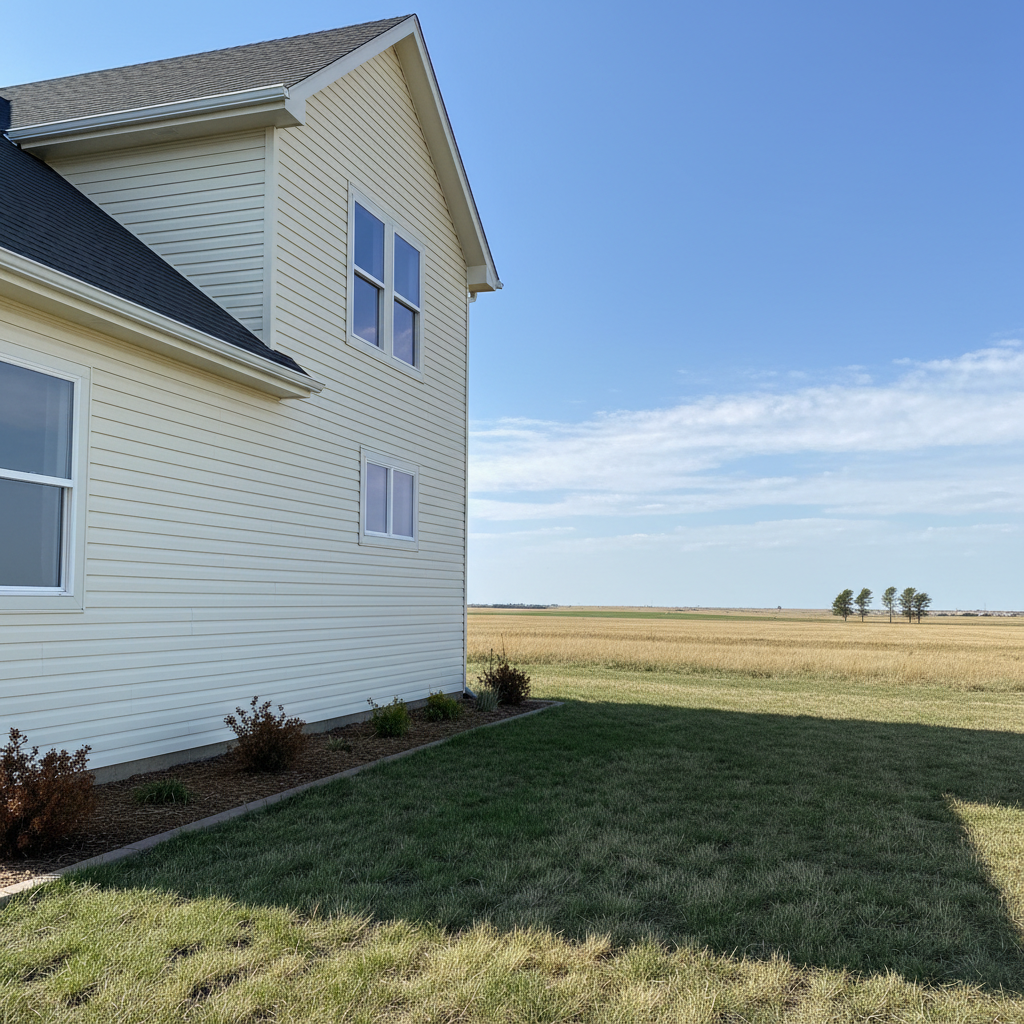
So, you've invested in new siding for your home here in Dodge City. That's a smart move, and it's going to protect your house and boost its curb appeal for years to come. But don't just set it and forget it. Even the best siding job needs a little love to really go the distance. Think of it like a new truck – you wouldn't skip the oil changes, right? Same goes for your siding.
Extending the Life of Your Siding Investment
You want your new siding to last, and it can, especially if you take a few proactive steps. First off, make sure your gutters are always clean and draining properly. I can't stress this enough. Clogged gutters mean water overflowing and running down your siding, which can lead to staining, rot on wood trim, and even moisture intrusion over time. We see it all the time, especially after a big Kansas thunderstorm. Keep those things clear. Also, check your downspouts; make sure they're directing water well away from your foundation.
Another big one is landscaping. Those beautiful bushes and trees around your house? They're great, but if they're constantly touching your siding, they can trap moisture, rub against the material, and even provide pathways for pests. Trim them back a good six to twelve inches from the house. It allows for better airflow and prevents direct contact. This is especially important for homes in areas like the older parts of town where mature trees are common.
Finally, keep an eye on your caulk and sealants. These are the unsung heroes that seal up gaps around windows, doors, and trim. Over time, sunlight and temperature swings – and we get plenty of those here, from freezing winters to scorching summers – can cause caulk to crack or shrink. A little bit of fresh caulk every few years can prevent a lot of headaches down the road. It's a small job that makes a huge difference.
Regular Maintenance: What You Need to Do
Beyond those bigger picture items, there's some routine stuff that'll keep your siding looking great. You don't need to be out there every weekend, but a quick walk-around your house a couple of times a year can catch most issues early.
- Wash it down: I know we've talked about cleaning siding before, but I'm talking about a simple rinse. A garden hose with a spray nozzle is usually enough to knock off dust, cobwebs, and loose dirt. Do this in the spring and maybe again in the fall. If you've got a bit of mildew or stubborn dirt, a soft brush and a mild detergent (like dish soap) can do wonders. Just make sure to rinse thoroughly.
- Inspect for damage: Look for anything out of the ordinary. Are there any loose panels? Cracks? Dents? Fading or discoloration that seems uneven? Pay special attention to areas that get a lot of sun, or parts of the house that are exposed to prevailing winds, which around here often means the north and west sides getting a beating.
- Check around penetrations: That's contractor-speak for anything that goes through your siding – dryer vents, outdoor spigots, electrical conduits, cable lines. Make sure the flashing and sealing around these spots are intact. They're common entry points for water if they fail.
Warning Signs of Bigger Problems
Sometimes, what looks like a small issue can be a symptom of something bigger brewing. Here are some things that should make you pause and take a closer look:
- Warping or buckling: If your siding panels aren't lying flat anymore, but are waving or bowing, that's a red flag. It could be due to improper installation, but it can also be a sign of moisture behind the siding, or even structural movement.
- Persistent staining: If you've got dark streaks or green patches that keep coming back, especially under windows or near the roofline, it's usually a sign of water getting where it shouldn't. It's not just an aesthetic problem; it can indicate a leak.
- Peeling or blistering paint (on wood trim): This almost always means moisture is present. Water gets in, saturates the wood, and pushes the paint off.
- Increased energy bills: While not directly a siding problem, if your energy bills suddenly jump without explanation, it could point to issues with your home's envelope, including compromised siding or insulation.
- Loose or missing panels: This is an obvious one. If a panel comes off, it leaves the underlying structure exposed to the elements. Don't ignore it.
When to Call a Professional
Look, I'm a big believer in homeowners doing what they can. But there are times when you really need to bring in someone who knows what they're doing. If you see any of those serious warning signs I just mentioned – warping, persistent leaks, or significant damage – that's when you call us. Don't try to patch up major issues yourself unless you're truly experienced. You could end up causing more damage or just putting a band-aid on a bigger problem.
Also, if you're not comfortable working on ladders, especially on a two-story home, don't risk it. A fall isn't worth saving a few bucks. We've got the right equipment and the experience to safely inspect and repair your siding. Whether it's a minor repair or a more complex issue, Paradise Siding Company is always here to help Dodge City homeowners keep their homes protected and looking their best. Give us a call if you're seeing something that just doesn't look right. We'd be happy to come out and take a look.