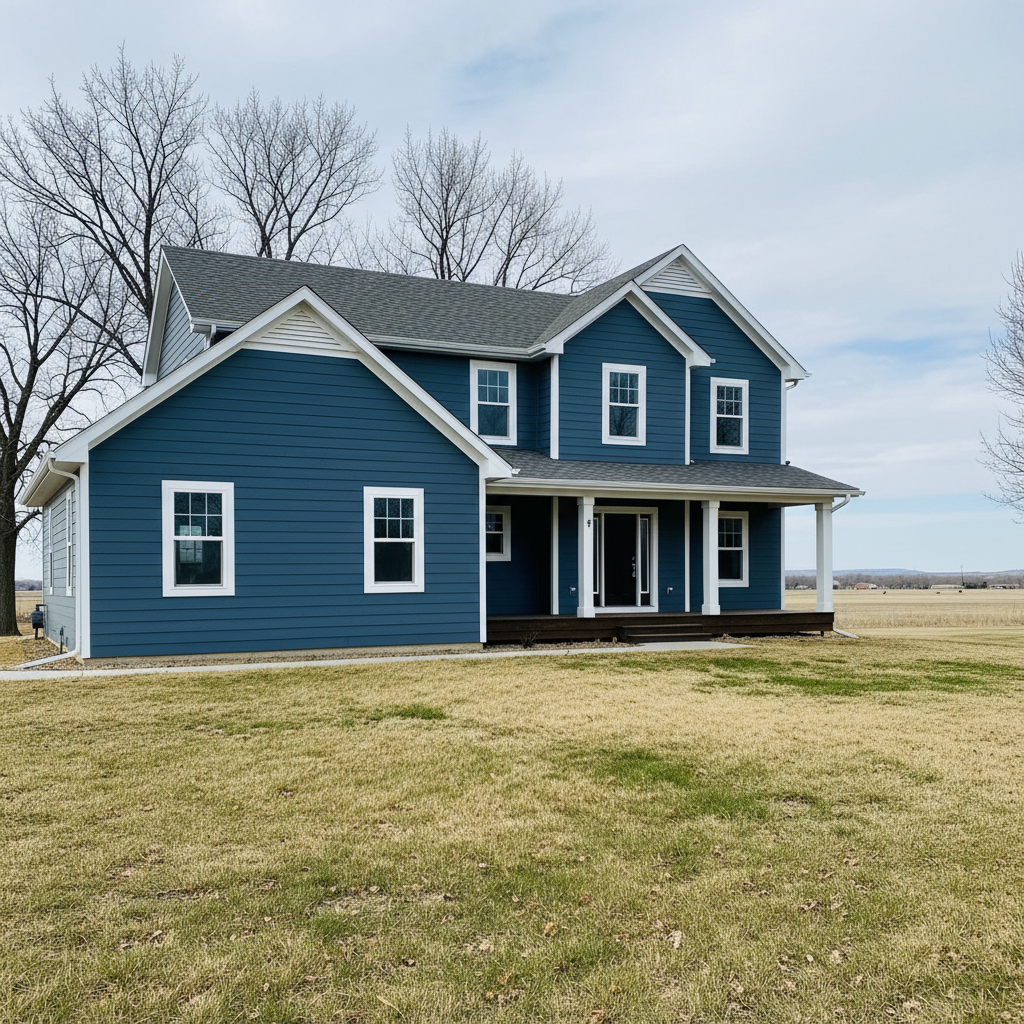
So, you're thinking about James Hardie siding for your place here in Dodge City? That's a smart move, truly. This stuff is tough, built to handle way more than most other materials can throw at it. But even the best siding needs to be put on right and given a little thought when it comes to our wild Kansas weather. I've seen it all out here, from those brutal summer suns to winter blizzards that just don't quit. Let's talk about what all that means for your Hardie siding.
When's the Best Time to Install James Hardie Siding?
People often ask me, "When's the best time to get new siding?" For James Hardie, it's not quite as simple as picking a season. It's really more about the conditions. Hardie Plank, like most fiber cement products, needs specific temperatures for installation, especially when it comes to painting and sealing. You can install it in a wider range of temperatures than, say, vinyl, but the painting is where you gotta be careful, right?
Generally, I like to see temperatures consistently above 40 degrees Fahrenheit. That means our spring and fall are usually prime time. The air isn't too cold, and it's not scorching hot either. You get good adhesion for any caulking, and paint cures properly. If you try to paint in freezing temps, it just won't stick right, and you'll have problems down the road. Same goes for super-hot, humid days – paint can dry too fast on the outside and stay wet underneath, which leads to blistering. Nobody wants that.
Summer can work, but we have to be mindful of those 100-degree days we get. Direct sun can make the siding too hot to handle and can cause paint to flash dry, leaving streaks. We'll often start earlier in the morning or work on shaded sides of the house during the hottest parts of the day. Winter? It's possible, but it definitely slows things down. The material gets brittle in extreme cold, and you're limited on when you can paint. If we're installing pre-finished Hardie, it's less of an issue, but if it's going to be painted on-site, we really need those warmer days.
Dodge City's Weather and Your Siding Crew
Our local climate isn't just about temperature; it's about everything else too. Wind, hail, sudden thunderstorms – we get it all. High winds, which are a regular feature around here, especially in the spring, can make installing long pieces of siding tricky and even dangerous. We're not going to risk it if the wind is really whipping. Safety first, always.
Hail is another big one. James Hardie siding is incredibly durable against hail, much more so than vinyl. But installing it during a hailstorm? That's just not happening. We'll pack up and wait for it to pass. Heavy rain can also halt work, not just because it's miserable to work in, but because you don't want water getting behind the siding during installation. While Hardie is designed to shed water, getting the sheathing wet during installation can lead to issues later on if it doesn't dry out properly.
So, when you schedule with Paradise Siding Company, we'll talk through all this. We plan around the forecasts, and sometimes that means we need a little flexibility. It's all to make sure your siding goes on perfectly and lasts for decades.
Protecting Your Hardie Investment Year-Round
You've got this fantastic, durable siding on your home. Now, how do you keep it looking sharp through all four seasons here in Dodge City?
- Keep it Clean: Dust, dirt, and general grime from our windy plains can build up. A simple rinse with a garden hose once or twice a year is usually all it takes. For tougher spots, a soft brush and mild soap (like dish soap) will do the trick. Just don't use a high-pressure washer too close; it can damage the finish or force water where it shouldn't go.
- Watch Your Landscaping: Make sure shrubs and trees aren't growing right up against the siding. You want good airflow, especially after a rain or snowmelt. This helps prevent moisture buildup and keeps the siding dry. Trim back anything that's touching or rubbing.
- Check Your Gutters and Downspouts: This is huge. If your gutters are clogged or your downspouts aren't directing water away from your foundation, that water can splash back onto your siding or even get behind it. We see a lot of issues stemming from poor drainage. Make sure they're clean and working properly, especially after a big storm or in the fall when leaves are dropping.
- Inspect for Cracks or Damage: While Hardie is tough, extreme impacts can cause damage. After a severe hailstorm or if something hits your house, do a quick walk-around. Look for any cracks or chips. If you find something, get it repaired quickly. Small issues are easy to fix; left alone, they can become bigger, more expensive problems.
- Paint Maintenance: If your siding was painted on-site, keep an eye on the paint finish every few years. Our intense sun can be hard on paint. If you see it fading or chalking, it might be time for a fresh coat. Pre-finished Hardie has a baked-on color that lasts much longer, but even that isn't invincible forever.
Investing in James Hardie siding is a big deal, and it adds serious value and protection to your home, whether you're in the old part of town near the Santa Fe Trail or out by the golf course. A little seasonal attention goes a long way in making sure it performs as advertised. If you ever have questions or need a hand with anything, you know who to call.