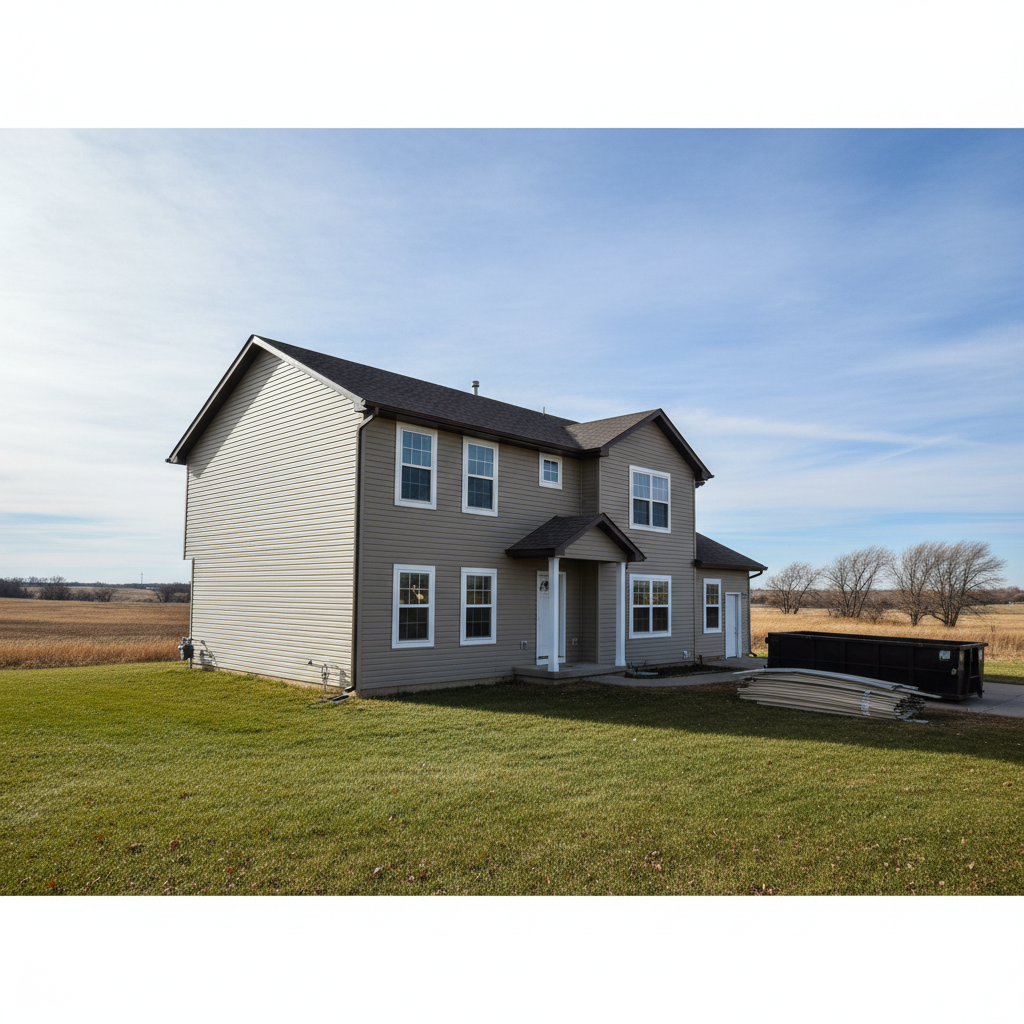
Alright, let's talk siding. It's one of the biggest investments you'll make in your home's exterior, and getting it right, from installation to upkeep, makes a huge difference. Around here in Dodge City, we see some pretty wild weather swings, and that means you gotta think smart about your siding. I've been doing this a long time, and I've seen what works and what doesn't.
When's the Best Time for Siding Removal and Installation?
This is probably the most common question I get. You'd think it's simple, but with our Kansas weather, timing is everything. Generally, I tell folks that spring and fall are your best bets. Why?
Spring (April to June): After the last of the winter storms have blown through, but before the scorching summer heat hits. The ground's usually thawed, and we get a good stretch of moderate temperatures. This is ideal for the materials themselves – they expand and contract less during installation, which means a better, tighter fit. Plus, the crews aren't battling frozen ground or sweating through 100-degree days, so the work tends to go smoother and quicker.
Fall (September to November): Similar to spring, you get those nice, mild days. The humidity usually drops, which is a big plus for some siding types, especially if you're dealing with wood products. You want to get it done before the really cold snaps and ice start rolling in, because working with frozen materials or on icy scaffolding isn't just tough, it's dangerous and can compromise the quality of the install.
Now, can you do it in summer or winter? Sure, we do sometimes. But it comes with challenges. Summer heat can make materials warp or expand, and then they'll shrink in the winter, potentially leaving gaps. Winter means fighting the cold, shorter daylight hours, and the risk of snow or ice delaying the job. If you're in a pinch and need it done in the dead of winter, we can make it happen, but it's not usually my first recommendation unless it's an emergency.
What Weather Conditions Affect the Work?
When we're ripping off old siding and putting up new, we're basically exposing your home's guts to the elements. So, weather isn't just a comfort thing for my crew; it's critical for protecting your house.
Wind: This is a big one in Dodge City. We get those consistent high winds, especially out west of town where there aren't as many windbreaks. High winds can make it dangerous to work on ladders and scaffolding. It can also kick up a ton of dust and debris, and it's just plain tough to manage long siding panels when the wind's trying to rip 'em out of your hands. We'll often have to pause or reschedule if the gusts are too strong.
Rain/Snow: Obvious, right? We can't work in heavy rain or snow. It's not just about getting wet; it's about safety (slippery surfaces) and protecting your home's sheathing from moisture. If we've got the old siding off, we'll always make sure your house is properly covered and protected from the elements overnight or during unexpected downpours. That's non-negotiable.
Extreme Temperatures: Like I mentioned, extreme heat or cold can affect the materials. Vinyl siding, for instance, gets brittle in the cold and can crack if not handled just right. In the heat, it expands. We account for this in our installation techniques, leaving room for expansion and contraction, but working in moderate temps just makes for a better, more consistent finish.
Protecting Your Siding Investment Year-Round
Once you've got that beautiful new siding up, you want it to last, right? Here's how to keep it looking sharp and doing its job for years to come:
Regular Cleaning: Don't underestimate a good wash. Dust, dirt, pollen, and even mildew can build up, especially on the north side of your house where it stays damp longer. A soft brush and a garden hose with some mild soap usually do the trick. You can use a pressure washer, but be careful! Too much pressure, or holding it too close, can damage the siding or force water behind it, which is the last thing you want.
Check for Damage: After every major storm – and we get plenty of those, from hail to high winds – take a walk around your house. Look for loose panels, cracks, dents, or anything that looks out of place. Catching small issues early can save you from bigger, more expensive problems down the road. If you see something, give us a call at Paradise Siding Company; we can usually patch it up quickly.
Keep an Eye on Gutters and Downspouts: Make sure they're clean and directing water away from your siding and foundation. Overflowing gutters can constantly drench your siding, leading to staining, mildew, and even water intrusion if there are any weak spots.
Trim Shrubs and Trees: Keep any bushes or tree branches from rubbing against your siding. Constant friction can wear down the finish and even damage the material over time. Plus, it helps with air circulation, which reduces moisture buildup.
Sealant Maintenance: If you have areas where siding meets trim, windows, or doors, check the caulking or sealants. Over time, they can crack, dry out, and fail. A good seal keeps water out, and replacing old caulk is a simple, inexpensive way to protect your home.
Your siding works hard to protect your home from everything our Kansas weather throws at it. A little attention and smart timing for big jobs go a long way in making sure it does its job for decades. If you've got questions about your specific situation or are ready to talk about new siding, don't hesitate to reach out.